
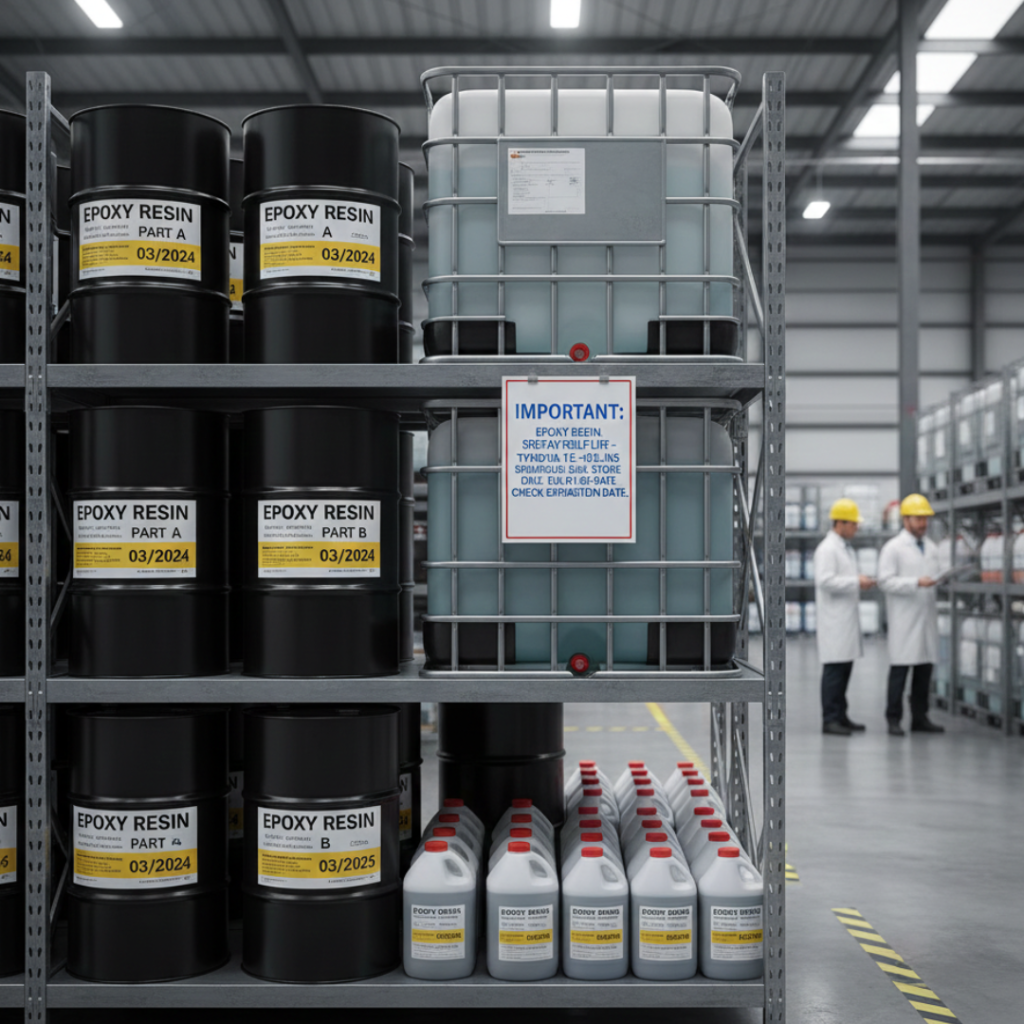
Understanding epoxy resin shelf life is essential for contractors, manufacturers, and industrial users who want consistent performance and minimal material waste. Even the highest-quality epoxy resin can fail to perform properly if it is stored incorrectly or used beyond its recommended shelf life.
This guide explains how epoxy resin life works, the factors that affect it, correct storage practices, and how to identify whether epoxy resin is still usable.
What Is Epoxy Resin Shelf Life?

It refers to the period during which epoxy resin retains its original chemical properties when stored under recommended conditions. During this time, the resin maintains proper viscosity, curing behavior, and bonding strength.
Shelf life begins from the manufacturing date, not from the date of purchase, which is why understanding storage conditions is critical.
Average Shelf Life of Epoxy Resin
Under ideal storage conditions, most epoxy resin products have a shelf life ranging from 12 to 24 months. However, this duration can vary depending on formulation, packaging, and environmental exposure.
Factors influencing epoxy resin shelf life include:
- Resin type and formulation
- Storage temperature
- Exposure to moisture or air
- Packaging integrity
Proper handling can help achieve the maximum usable lifespan.
Importance of Proper Epoxy Resin Storage

Correct epoxy resin storage plays a major role in preserving material quality. Poor storage conditions can cause thickening, crystallization, or uneven curing, even if the resin is technically within its shelf life.
Effective storage helps:
- Maintain consistent viscosity
- Ensure predictable curing
- Prevent contamination
- Reduce material wastage
For industrial users and bulk buyers, storage discipline directly impacts project quality and cost efficiency.
Ideal Storage Conditions for Epoxy Resin
To maintain epoxy resin life, manufacturers recommend controlled storage environments.
Key storage guidelines include:
- Store in a cool, dry place
- Maintain stable temperatures (avoid extreme heat or cold)
- Keep containers tightly sealed
- Protect from direct sunlight
- Prevent exposure to moisture
Following these practices helps preserve resin performance over time.
Effects of Temperature on Shelf Life
Temperature is one of the most critical factors affecting epoxy resin life. High temperatures can accelerate chemical reactions, while low temperatures may cause crystallization or thickening.
- Excessive heat may reduce curing performance
- Cold environments can alter resin consistency
Maintaining moderate, stable storage temperatures helps ensure predictable application results.
Packaging and Container Integrity
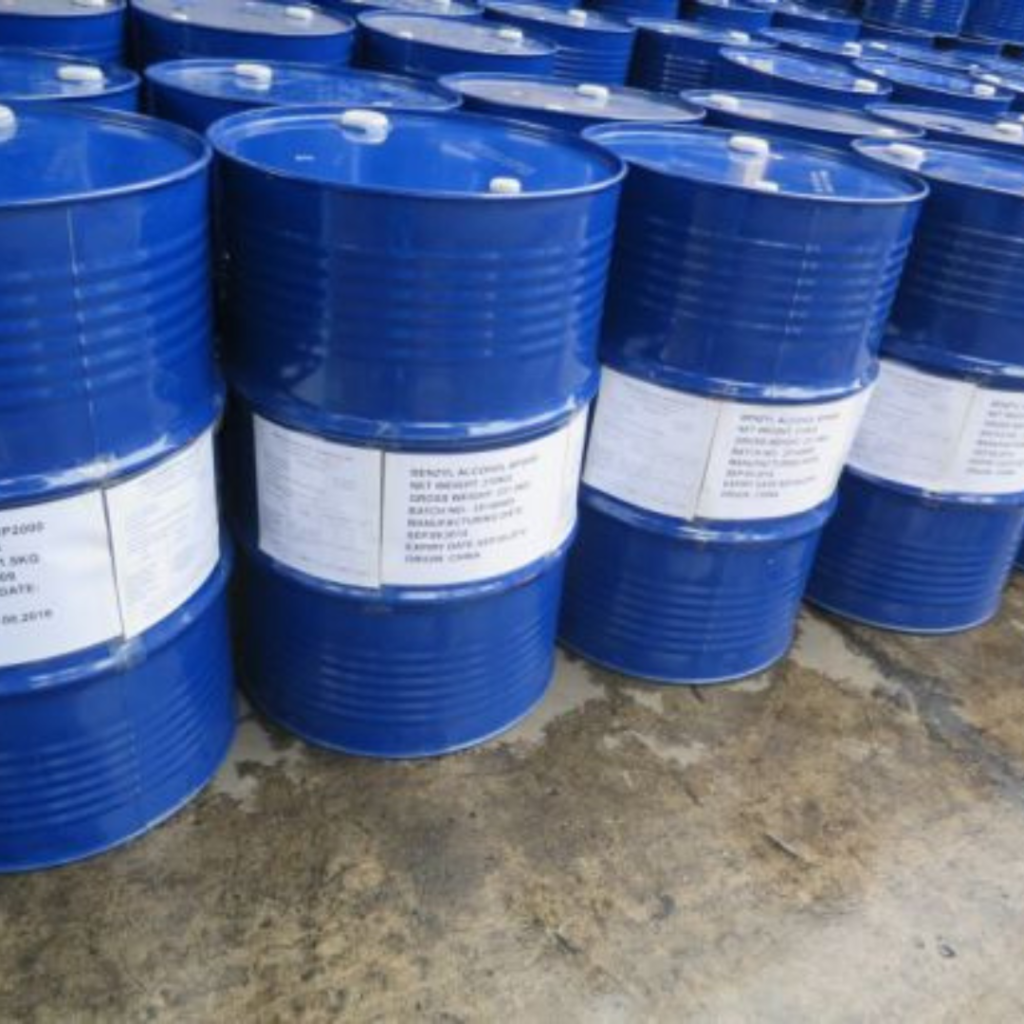
Epoxy resin is sensitive to air and moisture exposure. Damaged or loosely sealed containers allow contamination, which can reduce shelf life even if the resin appears normal.
Best practices include:
- Using original manufacturer packaging
- Avoiding frequent container opening
- Resealing containers immediately after use
Proper packaging protection significantly extends usable life.
How to Identify Expired Epoxy Resin
Before use, epoxy resin should always be visually and physically inspected. Signs that resin may be beyond its usable shelf life include:
- Excessive thickening
- Cloudy or uneven appearance
- Separation that does not remix
- Abnormal curing behavior
If any of these signs are present, performance may be compromised.
Shelf Life Considerations for Bulk Epoxy Resin Buyers
For factories and large projects purchasing epoxy resin in bulk, inventory management is essential. Ordering quantities aligned with usage timelines helps avoid extended storage periods.
Bulk users should:
- Rotate stock on a first-in, first-out basis
- Track manufacturing dates
- Store resin in controlled environments
These practices help maintain quality across long-term projects.
Manufacturer Guidance and Label Information
Reliable manufacturers provide clear shelf life information on product labels and technical datasheets. Following manufacturer-specific storage recommendations ensures the epoxy resin performs as intended.
Manufacturer guidance should always take priority over general assumptions.
Final Thoughts
Understanding epoxy resin shelf life and proper storage practices is essential for achieving consistent performance and reducing material waste. Even premium epoxy resin requires correct handling to maintain its properties over time.
By following recommended storage conditions, monitoring shelf life, and sourcing from reliable manufacturers, users can maximize product efficiency and long-term value.
FAQ’S
Epoxy resin shelf life usually ranges from 12 to 24 months when stored under recommended conditions, starting from the manufacturing date.
Epoxy resin should be stored in a cool, dry place, away from direct sunlight, with containers tightly sealed to prevent air and moisture exposure.
Using epoxy resin beyond its shelf life is not recommended, as changes in viscosity and curing behavior can affect performance and durability.
Yes, high temperatures can shorten shelf life, while very low temperatures may cause thickening or crystallization, both of which impact usability.