

In industrial, construction, flooring, and coating applications, even slight variations in epoxy performance can lead to failures, delays, or costly rework. This is why epoxy resin consistency is a top priority for manufacturers serving professional buyers and large-scale projects. From raw material selection to final batch testing, manufacturers follow strict processes to ensure every batch performs exactly as expected.
This blog explains how epoxy resin manufacturers maintain consistent quality and why it matters for buyers in Pakistan.
Why Epoxy Resin Consistency Matters

Consistent epoxy resin quality ensures:
- Predictable curing time and strength
- Uniform finish and appearance
- Reliable adhesion and chemical resistance
- Reduced wastage and application errors
For industries like flooring, construction, electrical insulation, and composites, inconsistent resin properties can compromise entire projects. That’s why professional manufacturers focus heavily on epoxy resin consistency across all production stages.
Careful Selection of Raw Materials
The foundation of consistent epoxy resin quality starts with raw materials.
Manufacturers work with approved suppliers for:
- Epoxy base resins
- Hardeners and curing agents
- Fillers and additives
Each incoming material is checked for viscosity, purity, and compatibility. Using standardized raw materials helps ensure stable epoxy resin formulation and repeatable performance from batch to batch.
Standardized Epoxy Resin Formulation

To maintain resin consistency, manufacturers rely on fixed formulations developed through research and testing.
These formulations define:
- Exact mixing ratios
- Additive percentages
- Performance targets such as strength, flow, and curing speed
Once finalized, these formulations are strictly followed to avoid variations in epoxy resin properties.
Automated and Controlled Manufacturing Process
Modern epoxy resin manufacturing uses automated systems to reduce human error.
Key controls include:
- Precise temperature regulation
- Controlled mixing speed and duration
- Accurate weighing and dosing systems
By controlling production parameters, manufacturers ensure that every batch meets the same epoxy resin quality standards.
In-Process Quality Monitoring
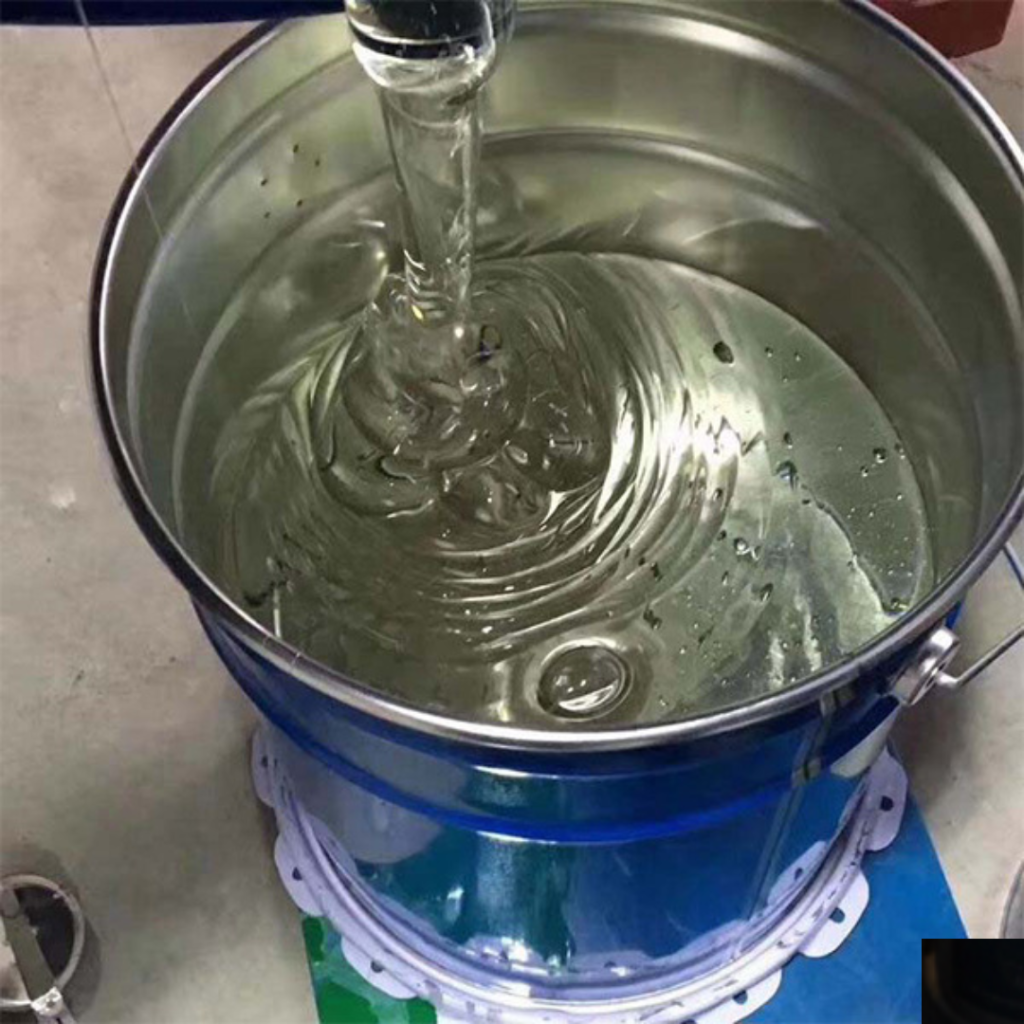
Quality checks don’t wait until production is finished. Manufacturers continuously monitor epoxy resin during processing.
Common in-process checks include:
- Viscosity measurement
- Gel time observation
- Color and appearance inspection
These checks help detect issues early and maintain resin consistency throughout production.
Batch Testing and Quality Assurance
Before epoxy resin is approved for sale, each batch undergoes final testing.
Typical quality assurance tests include:
- Mechanical strength testing
- Adhesion performance
- Chemical and moisture resistance
- Curing behavior under standard conditions
Only batches that meet predefined resin consistency benchmarks are released to customers.
Controlled Packaging and Storage
Even high-quality epoxy resin can lose consistency if improperly packaged or stored.
Manufacturers ensure:
- Moisture-resistant, sealed containers
- Proper labeling with batch numbers
- Storage in temperature-controlled environments
This protects epoxy resin properties from degradation before reaching the end user.
Documentation and Batch Traceability
Reliable manufacturers maintain complete records for every epoxy resin batch.
This includes:
- Raw material sources
- Production parameters
- Test results
Batch traceability allows manufacturers to quickly resolve issues and continuously improve resin consistency.
Continuous Improvement and Feedback
Manufacturers actively collect feedback from contractors, applicators, and industrial users.
This feedback helps:
- Improve epoxy resin formulation
- Adjust performance for local conditions
- Enhance long-term quality stability
Continuous improvement ensures epoxy resin consistency evolves with market needs without compromising reliability.
How Buyers Benefit from Consistent Epoxy Resin Quality
When manufacturers prioritize epoxy resin consistency, buyers benefit from:
- Fewer application failures
- Predictable project timelines
- Lower maintenance costs
- Higher confidence in large-scale usage
This is especially important for contractors, factories, and flooring professionals in Pakistan working under demanding conditions.
Final Thoughts
Ensuring epoxy resin consistency is not a single step—it’s a complete system involving raw materials, formulation control, manufacturing precision, testing, and documentation. Reliable manufacturers invest heavily in these processes to deliver epoxy resin that performs the same way every time.
For buyers in Pakistan, choosing a manufacturer that follows strict quality control practices is the key to long-lasting, high-performance epoxy applications.
FAQ’S
Consistent epoxy resin ensures uniform strength, adhesion, and curing performance. It helps manufacturers and contractors achieve reliable results in flooring, coatings, adhesives, and structural applications without variation between batches.
Manufacturers maintain epoxy resin consistency by controlling raw material quality, using precise formulation ratios, monitoring temperature during processing, and conducting batch-wise quality testing before dispatch.
Poor epoxy resin consistency can lead to uneven curing, weak bonding, surface defects, color variation, and reduced durability, which can affect the overall performance of industrial and commercial projects.
Buyers can verify consistency by requesting technical data sheets, batch test reports, quality certifications, and sample testing. Choosing a reliable epoxy resin manufacturer in Pakistan also helps ensure stable and repeatable quality.